

The concept of a semi truck mobility scooter has emerged as a game-changer in logistics and freight transportation. These innovative devices aim to enhance the efficiency, safety, and convenience for drivers who operate large commercial vehicles daily. Whether it’s simplifying the process of navigating sprawling truck yards or offering an ergonomic solution for drivers with mobility challenges, semi truck mobility scooters are transforming the landscape of trucking operations.
The use of a semi truck mobility scooter is gaining momentum, especially in scenarios that require quick movement across wide distances without the need to resort to full-sized trucks or physical exertion. If you’re wondering how to use a semi truck mobility scooter, the process involves understanding its features, proper handling techniques, and maintenance routines. For example, many models are equipped with advanced navigation and safety features, making them a vital tool for modern trucking fleets. When compared to traditional options such as manual carts or short-range electric scooters, semi truck mobility scooters provide superior range, comfort, and stability suited for heavy-duty environments.

In this article, you’ll explore the various applications, benefits, and considerations involved with semi truck mobility scooters—highlighting their role in increasing productivity, improving driver ergonomics, and supporting fleet management. Let’s delve into the specifics and discover how this innovative mobility solution is shaping the future of freight logistics.
The Evolution and Design of Semi Truck Mobility Scooters
The development of semi truck mobility scooters reflects a fascinating evolution driven by technological advancements and ergonomic needs. Initially, manual carts or basic electric scooters served as solutions for short-range movement within yards; however, these proved insufficient for the demands of long-haul and heavy-duty environments. Today, semi truck mobility scooters boast sophisticated features designed specifically for truck drivers and fleet operators.
Modern semi truck mobility scooters are engineered with durability, safety, and user comfort in mind. They often feature rugged frames built to withstand harsh trucking conditions, including exposure to dirt, weather, and frequent use. Additionally, intelligence-driven components such as GPS tracking, auto-braking systems, and adjustable speeds make them adaptable to various operational environments. The design includes ergonomic seating and controls that reduce fatigue and improve maneuverability, which is crucial for drivers managing extensive routes.

The rise of semi truck mobility scooters corresponds with the shift towards automation and smart logistics. These devices are integrated with fleet management systems, enabling real-time monitoring, data collection, and diagnostics. The evolution is fueled by a growing demand for efficiency and safety in freight operations. As a result, the latest models are not just mobility aids but comprehensive tools that significantly impact operational workflows.
The future of semi truck mobility scooters holds promising innovations, including AI-powered navigation, autonomous movement, and lightweight yet robust materials for enhanced portability. As the design continues to evolve, these scooters are set to become essential equipment in large-scale trucking ventures, ensuring drivers can move seamlessly from yard to vehicle and beyond.
How to Use a Semi Truck Mobility Scooter Effectively in Logistics Operations
Using a semi truck mobility scooter involves careful planning, proper handling, and adherence to safety protocols. It’s essential to familiarize oneself with the specific model’s features, controls, and maintenance requirements. A typical semi truck mobility scooter is designed for intuitive operation, making it accessible for drivers and yard staff alike.

Firstly, understanding the basic controls is vital. Most models feature a simple joystick or touch interface for steering, with brake, acceleration, and speed limit functions. Before operating, ensure the device is fully charged and inspected for any mechanical issues. Proper pre-use checks include examining tires, battery status, and safety signals like lights or alarms. These steps guarantee a smooth operation and prevent unexpected breakdowns.
Secondly, effective use requires mindful navigation within a busy yard or along narrow pathways. Drivers should plan their routes to avoid obstacles and congested areas, leveraging GPS and proximity sensors if available. Adapting speed to terrain and traffic conditions reduces the risk of accidents. For instance, in tight spaces, using slow, controlled movements ensures safety for pedestrians and other vehicles. Moreover, training crews on safe operation techniques maximizes the benefits of semi truck mobility scooters and minimizes operational hazards.
Lastly, proper maintenance and periodic updates are critical for sustained performance. Regularly charging the battery, cleaning sensors, and inspecting mechanical parts extend the lifespan of the scooter. Additionally, recording usage data helps optimize operational efficiency and identify potential issues early. As semi truck mobility scooters become more integrated into everyday logistics, establishing standardized procedures ensures safe and effective use across all fleet operations.
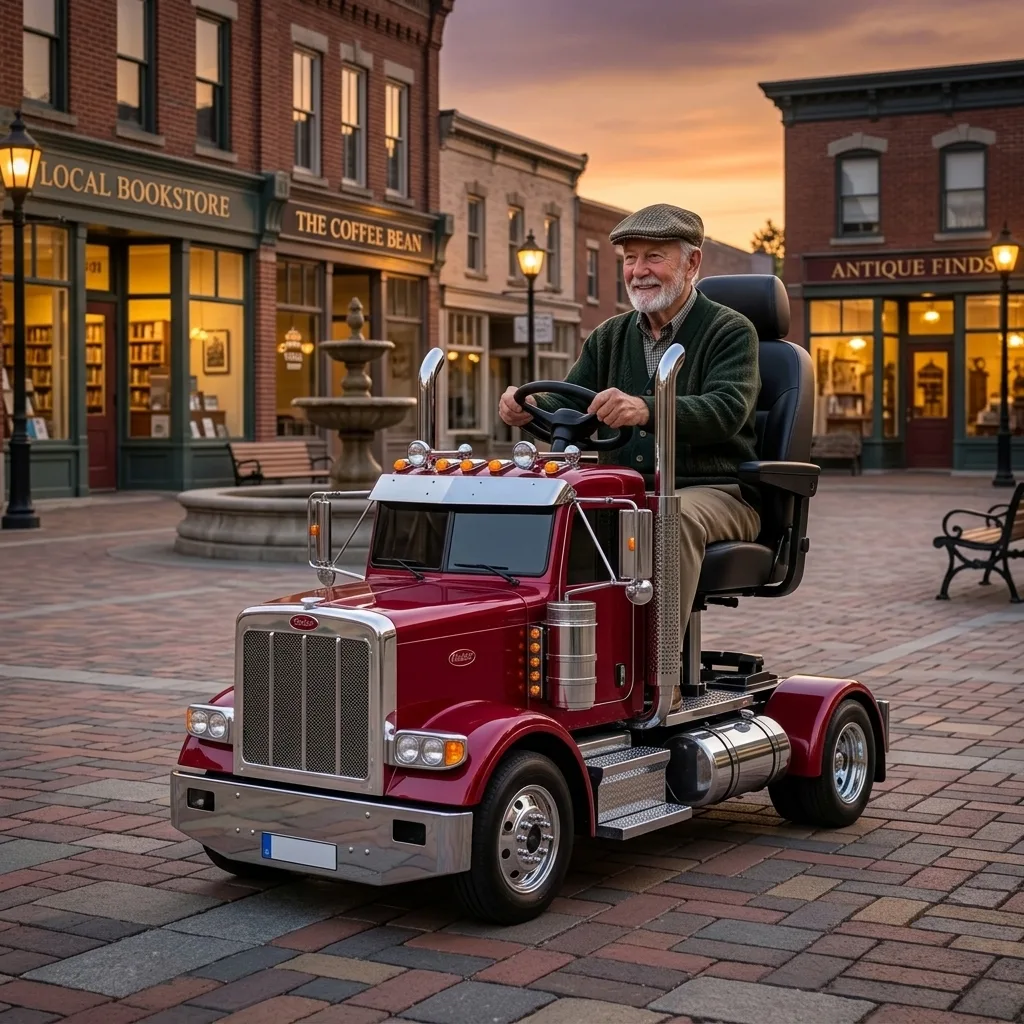
Examples of usage include deploying these scooters for quick yard runs, facilitating driver transitions between terminals, or assisting mobility-impaired personnel in large facilities. Comparisons often highlight their advantages over traditional carts, including faster travel times, greater stability, and integrated safety features. My advice is to prioritize user training, routine maintenance, and seamless integration into existing logistics to fully leverage their potential.
Applications and Benefits of Semi Truck Mobility Scooters in the Freight Industry
Semi truck mobility scooters have broad applications within the freight industry, offering solutions that address logistical challenges and improve operational workflows. Their utility spans from yard management to driver comfort, providing a versatile tool that suits various roles. Understanding these applications illuminates the significance of this innovation for large-scale logistics operations.
One primary application involves yard operations where trucks and trailers are frequently moved or positioned. In sprawling truck yards, traditional walking or manual carts limit efficiency, especially during busy hours. Using semi truck mobility scooters reduces transit times internally, enabling quick repositioning of vehicles while conserving driver energy. This, in turn, streamlines dispatching and reduces congestion during peak periods. They are also invaluable during pre-trip inspections, allowing drivers to move around their trucks effortlessly, ensuring safety compliance and inspection thoroughness.

Another key application is supporting drivers with mobility impairments or health issues. Instead of relying solely on physical strength or external assistance, these scooters empower such personnel to operate independently within large facilities. Operating a semi truck mobility scooter can significantly improve safety, compliance, and worker morale. Moreover, fleet managers often leverage these devices to reduce fatigue among drivers during long shifts, making transportation safer and more sustainable.
The advantages are clear: faster movement, improved safety, higher productivity, and better driver well-being. These benefits translate into tangible business outcomes including reduced turnaround times, fewer accidents, and enhanced job satisfaction. For example, a logistics company that integrated semi truck mobility scooters observed a 15% reduction in yard operation times and a marked improvement in safety records. My personal insight suggests that investing in these devices is a strategic move for modern fleets aiming to stay competitive in an increasingly complex and fast-paced industry.
Conclusion
In summary, semi truck mobility scooters are emerging as vital assets in the freight and logistics industry, blending innovative design, safety features, and multi-application versatility. They serve as essential tools for streamlining yard operations, supporting driver well-being, and enhancing overall efficiency. As technological advancements pioneer smarter, more autonomous models, their role will only expand, making freight transportation safer, faster, and more accessible. Adopting semi truck mobility scooters represents a forward-thinking step for fleet managers seeking to optimize operations, improve safety standards, and adapt to an evolving logistics landscape.