
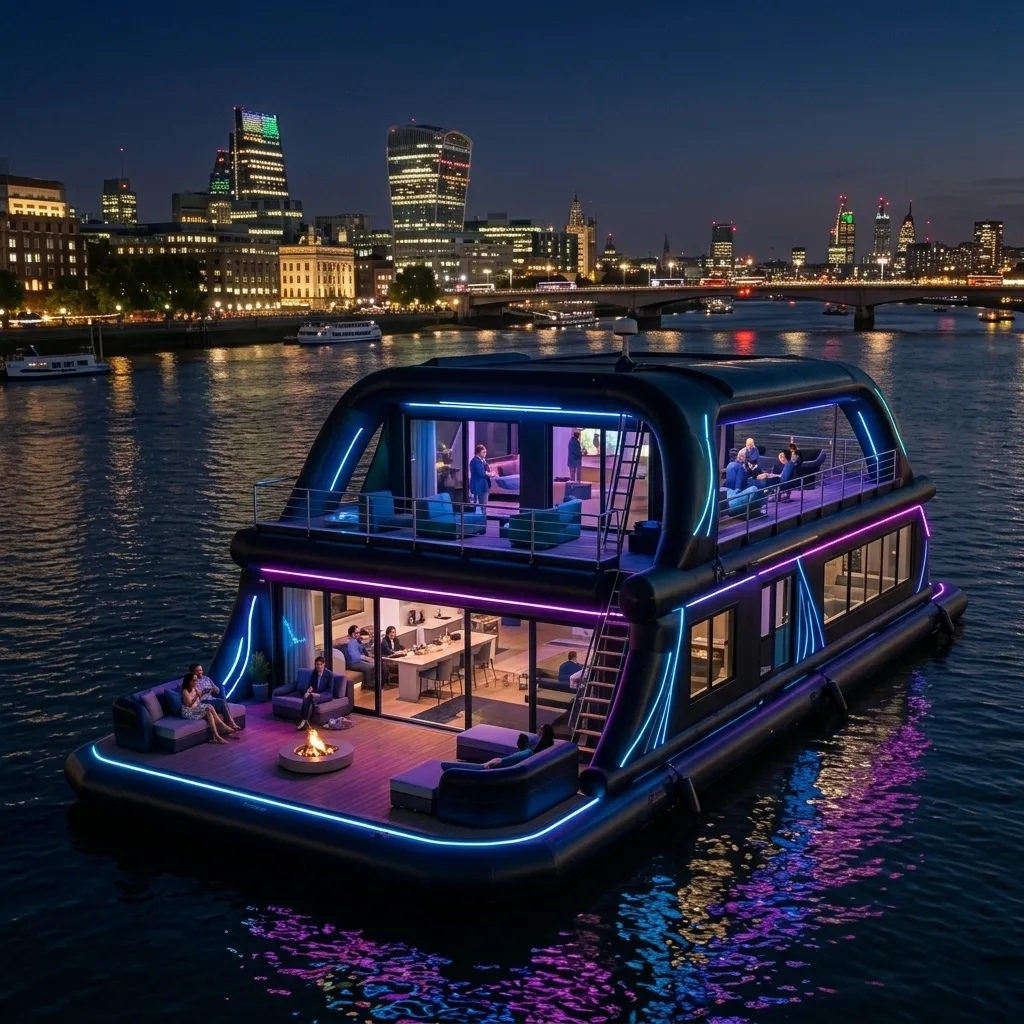
The concept of a giant inflatable barge home has captured the imagination of many, representing a revolutionary approach to sustainable, flexible, and cost-effective living. As urban areas become more crowded and environmental concerns mount, innovative floating homes like these are opening new avenues for personal residence, communal living, and even disaster relief. This article delves deep into what makes a giant inflatable barge home an intriguing option for future habitation, how to use it effectively, its ideal applications, and practical advice for those considering such a lifestyle.
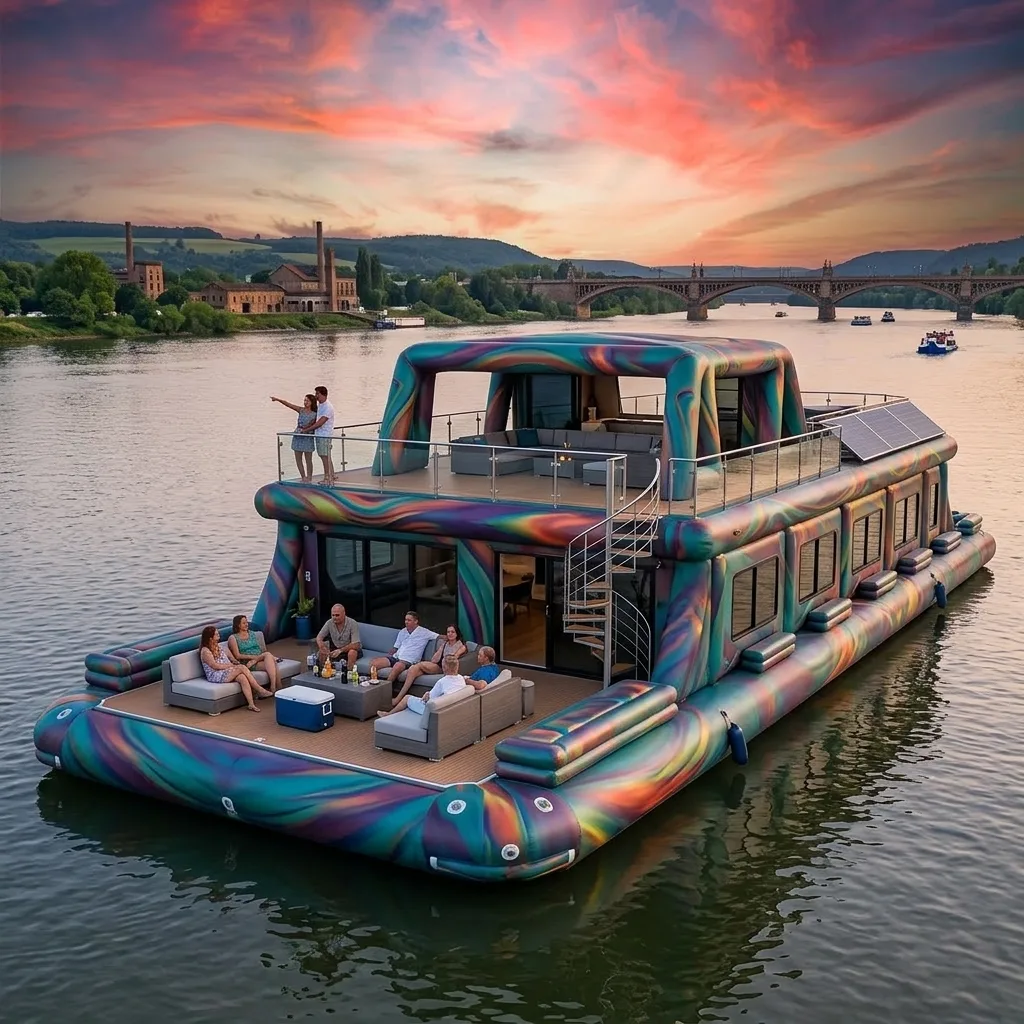
The Concept and Design of a Giant Inflatable Barge Home
Innovations in marine engineering and sustainable architecture have paved the way for the rise of floating habitation modules, especially giant inflatable barge homes. These structures not only redefine what it means to live on water but also encompass flexibility, portability, and eco-friendliness. To understand their potential, it’s crucial to analyze how these homes are designed and the engineering principles that underpin them.
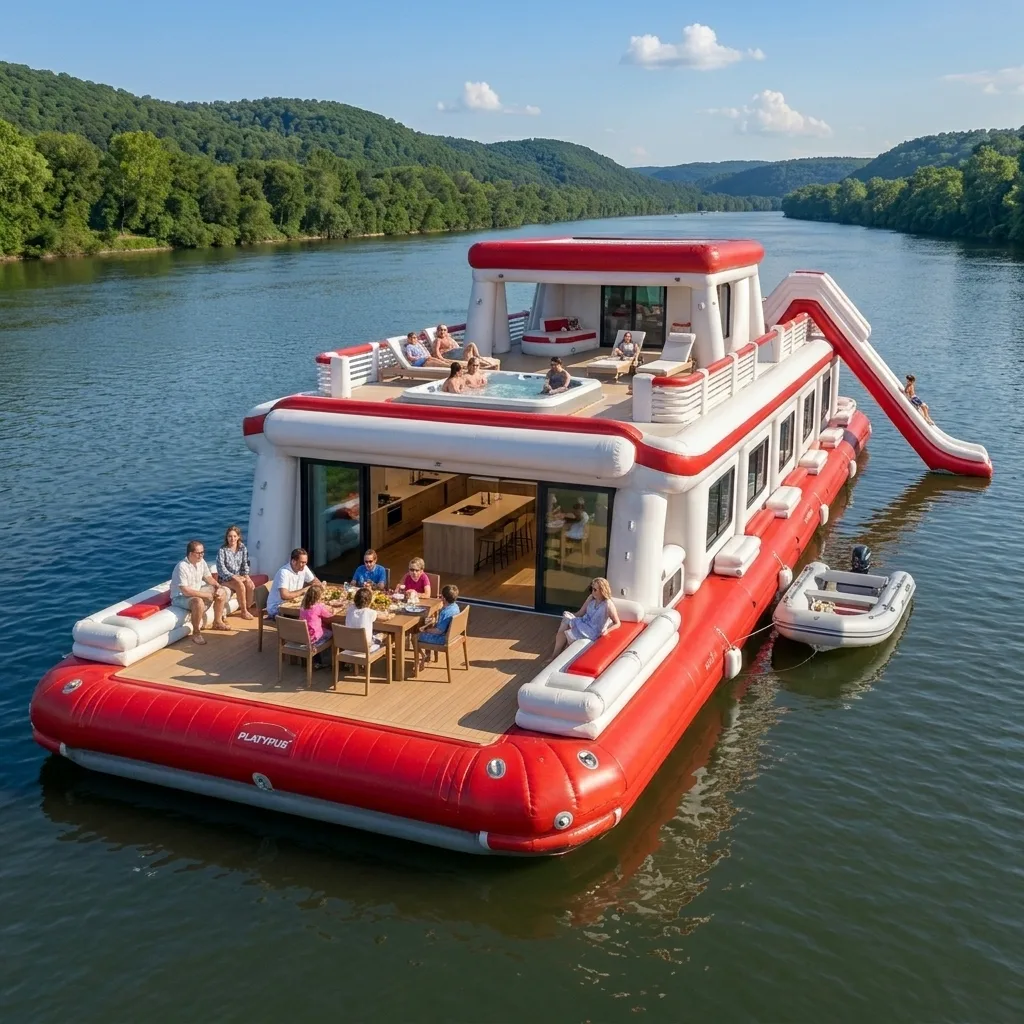
The fundamental idea behind a giant inflatable barge home is to create a floating platform that can be inflated quickly, providing a stable, buoyant living space. These structures are composed mainly of durable, weather-resistant materials such as reinforced PVC or TPU that can withstand harsh aquatic environments. They often incorporate eco-friendly features, modular designs, and energy-efficient solutions to appeal to environmentally conscious homeowners.
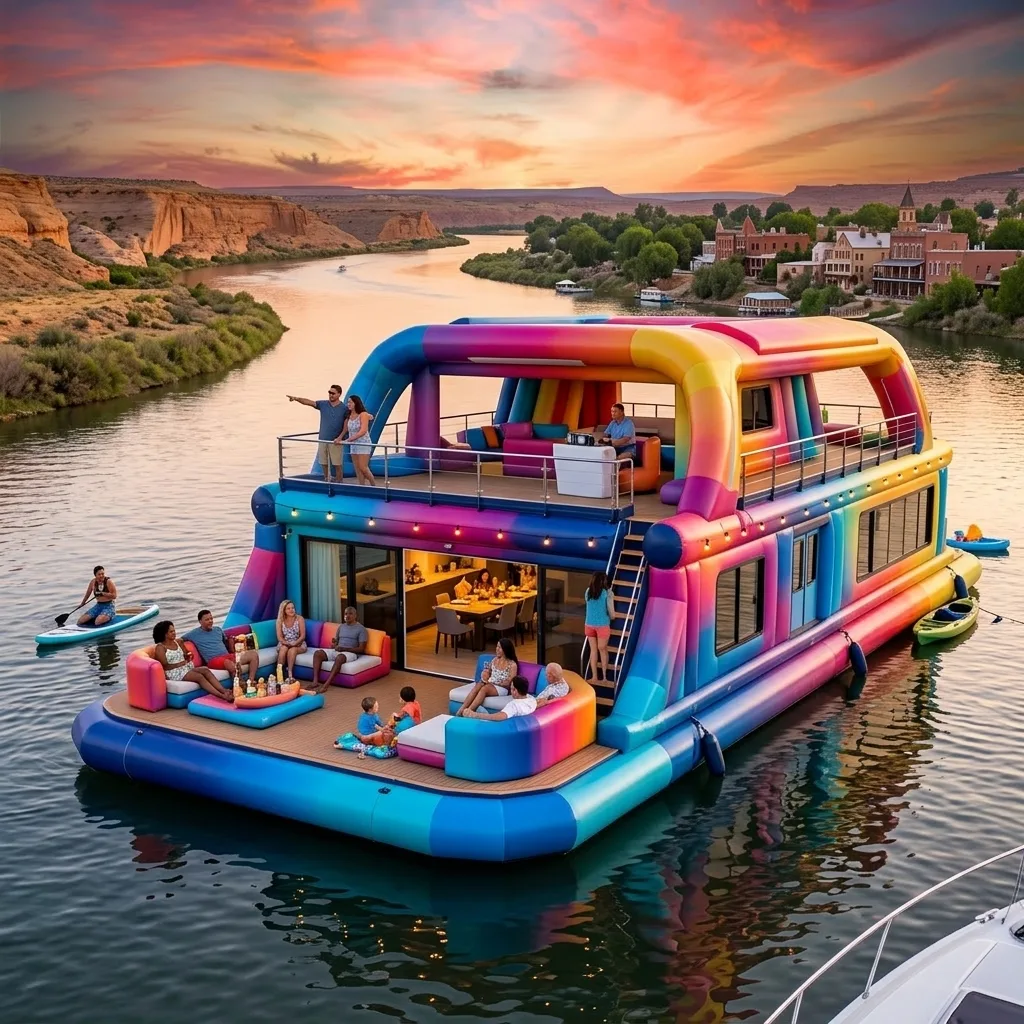
The design process emphasizes modularity and adaptability. A typical giant inflatable barge home can be customized with additional compartments for bedrooms, kitchens, or relaxation zones, allowing owners to expand or reconfigure their space according to needs. The importance of stability and safety cannot be overstated; successful designs integrate ballast systems and anchoring mechanisms to prevent drifting and ensure stability during storms or rough seas.
Material Selection and Construction Engineering
Choosing the right materials for a giant inflatable barge home is fundamental to its durability and lifespan. High-grade PVC and TPU are favored due to their high tensile strength, flexibility, and resistance to UV damage. These materials are also lightweight, making transportation and setup easier, especially since many inflatable barge homes are designed for quick deployment.
Construction involves multiple layers of reinforcement technology, including air-tight coatings, to prevent leaks. In terms of engineering, inflating the structure evenly is vital to maintain its shape and stability, which is achieved through the use of high-output pumps and automated controls. For added safety, integration of leak detection sensors and emergency deflation systems ensures rapid response in case of puncture or damage.
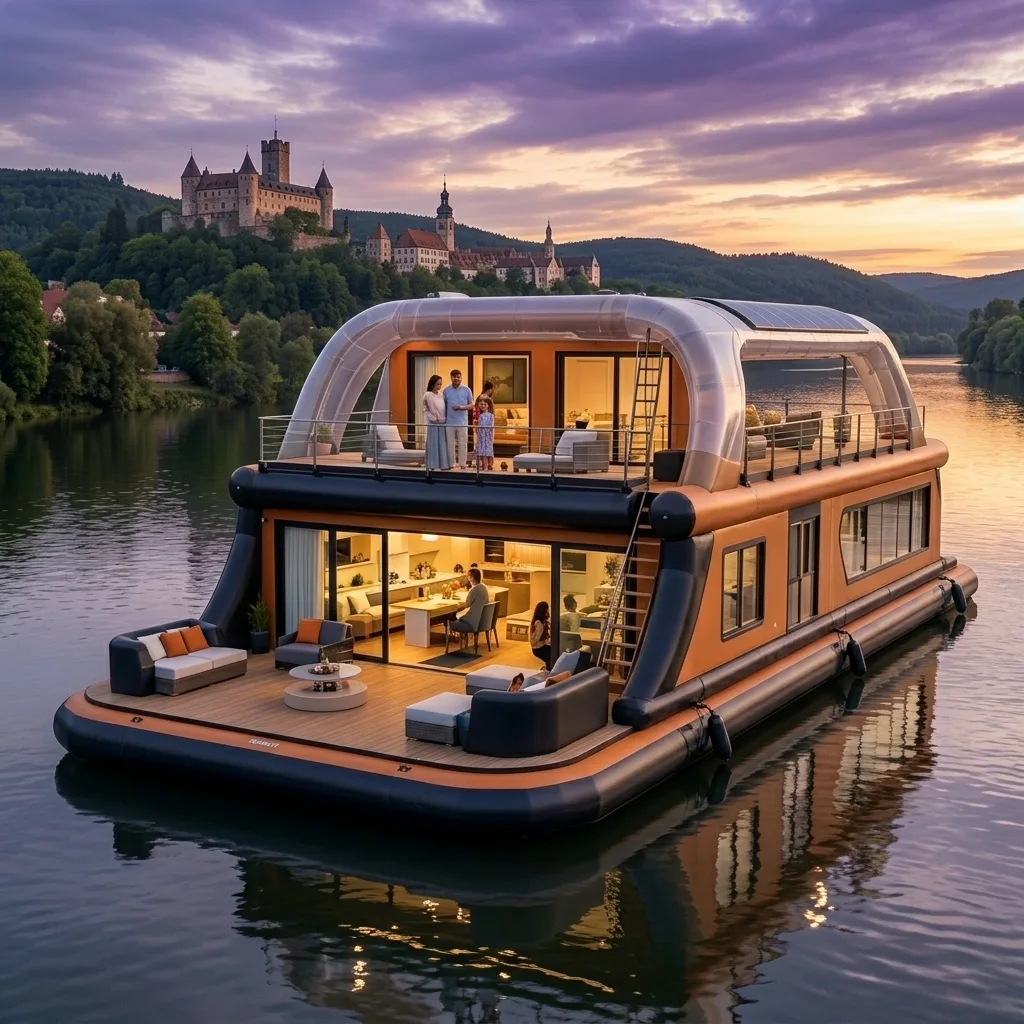
Environmental sustainability is increasingly prioritized, leading to innovations such as solar-powered pumps and eco-friendly manufacturing processes. These measures not only make giant inflatable barge homes more sustainable but also reduce operational costs, making them more accessible to a broader audience.
The Role of Modular and Reconfigurable Design
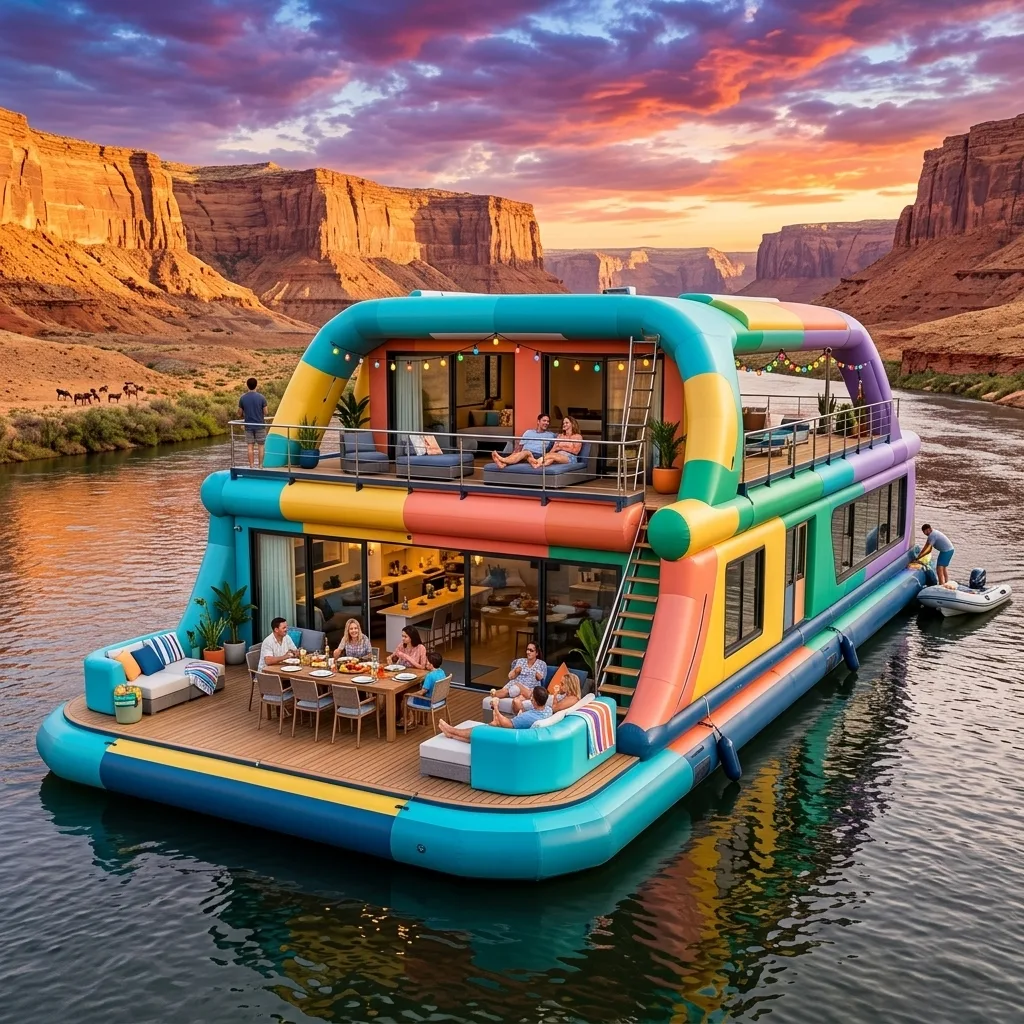
Modular design elements grant flexibility to users, enabling the transformation of a simple floating platform into a fully functional home. This adaptability resonates strongly with modern living trends that favor minimalism and movable lifestyles. The ability to add or remove sections means owners can tailor their space based on changing needs, whether it’s hosting guests or downsizing during travel.
Such reconfigurability also enhances the utility of giant inflatable barge homes for emergency response or temporary housing during disasters. Relief organizations could quickly deploy these structures in affected areas, providing immediate shelter with minimal logistics involved. Moreover, the reconfigurable nature lends itself well to sustainable living — owners can adapt the floating home for energy-efficient layouts, integrate aquaponics systems, or even incorporate floating gardens.
In terms of usage, a giant inflatable barge home becomes a dynamic, multifunctional space capable of serving both leisure and pragmatic purposes. The ability to rapidly deploy, reconfigure, and maintain the structure makes it a truly versatile solution for various aquatic living scenarios.
Practical Use and Applications of a Giant Inflatable Barge Home
Understanding how to best utilize a giant inflatable barge home involves exploring its vast applications, deployment methods, and user scenarios. Whether for permanent residence, vacation retreat, or emergency shelter, the practical aspects of deploying and maintaining such structures are crucial to maximizing their benefits.
How to Use a Giant Inflatable Barge Home Effectively
Using a giant inflatable barge home effectively begins with proper planning and understanding of local water conditions. Owners should carefully select a calm, sheltered location for deployment, ensuring sufficient anchoring options and avoiding turbulent waters. Proper training in the setup and maintenance of the inflatable structure guarantees safety and longevity.
Once in place, regular maintenance of materials and mechanical systems is essential. Checking for leaks, cleaning the reinforcements, and ensuring the integrity of the inflation system prolong the lifespan of the floating home. It’s equally important to adopt sustainable energy practices, such as integrating solar panels and wind turbines, to reduce operational costs and environmental impact.
Furthermore, these homes are highly customizable. Owners can incorporate smart-home technology, solar energy setups, and water filtration systems to enhance livability, reduce reliance on external resources, and promote self-sufficient living. Strategic planning of interior layouts and access points enhances comfort and safety, especially during adverse weather conditions.
Examples of Usage Scenarios
A prime example of a giant inflatable barge home’s versatility comes from eco-tourism projects in remote regions. These floating accommodations offer a sustainable alternative to land-based resorts, improving access to pristine environments while minimizing ecological footprints. Another example is their deployment in disaster zones, where they provide immediate shelter and help restore community stability after floods or hurricanes.
Many individuals adopting a floating lifestyle use giant inflatable barge homes as vacation escapes, anchoring them in scenic lakes or coastal areas, enjoying the tranquility and connection with nature. They serve as mobile lakeside retreats or as part of a floating community development project, fostering communal living ecologies that harmonize with aquatic environments.
Lastly, the potential for research and educational centers on water surfaces is enormous. Floating observatories or classrooms built upon giant inflatable barges can serve as platforms for environmental monitoring, marine biology studies, or climate change education, highlighting their multifunctional utility.
Comparisons to Traditional Housing and Other Floating Structures
When compared to traditional land-based homes, giant inflatable barge homes excel in portability, cost-efficiency, and environmental impact. They require less infrastructure, less land use, and can be relocated with relative ease. In contrast to permanent structures, inflatable barges are temporary, reversible, and adaptable, fitting well into the dynamic needs of modern urban and rural lifestyles.
Compared to solid floating structures like boat houses or fixed offshore platforms, inflatable barges are more cost-effective and quicker to deploy. Their lightweight nature makes them accessible for individual homeowners, small communities, or organizations without the need for extensive construction crews or permits. However, they may lack some durability and permanence characteristics found in more traditional maritime buildings, making them more suitable for short to medium-term usage.
Another relevant comparison involves eco-dwellings and sustainable architecture. While traditional green homes focus on land-based systems, giant inflatable barge homes leverage water as a sustainable resource—using it for cooling, waste management, and even energy generation. Their inherent flexibility supports adaptive living, which is a growing trend among environmentally conscious populations.
Conclusion
The giant inflatable barge home exemplifies a convergence of innovative engineering, sustainable design, and flexible living. As a versatile, eco-friendly, and portable housing option, they hold significant promise for future living solutions in urban landscapes, remote areas, and disaster response scenarios alike. Their ability to be reconfigured easily, deploy rapidly, and minimize environmental impact makes them an attractive choice for those seeking an alternative to traditional housing. As technology advances and interest in floating or modular homes increases, towering inflatable structures like these are poised to revolutionize how humans coexist with water—creating new frontiers in floating living that balance comfort, innovation, and sustainability.